Biodynamics Generates On-Farm Fertility
Biodynamic plants are grown in the ground in living soil, which provides a quality of health and nutrition not possible with chemical fertilizers or hydroponic growing. Biodynamic farms aspire to generate their own fertility through composting, integrating animals, cover cropping, and crop rotation. Composting brings animal manures, plant material, and soil into healthy relationship and transforms them into a potent source of strength and fertility for the farm organism. Integrating a diversity of animals helps cycle nutrients and provides manures that nurture the soil. Cover crops also contribute to on-farm fertility, adding plant diversity and bringing life and sensitivity to the soil through oxygen and nitrogen. Crop rotation helps balance the needs of each crop and enables a diversity of creative expression in the soil. Together, these practices reduce or eliminate the need for imported fertilizers and enable the farm to move toward equilibrium and resilience.
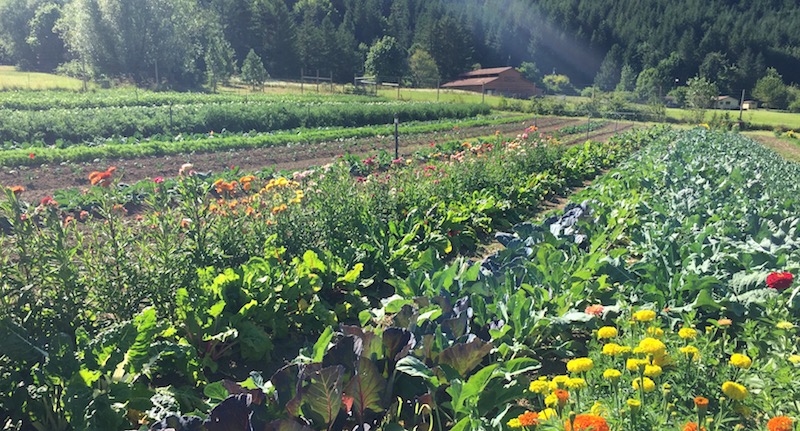
Biodynamics Cultivates Biodiversity
Biodynamic farms and gardens are inspired by the biodiversity of natural ecosystems and the uniqueness of each landscape. Annual and perennial vegetables, herbs, flowers, berries, fruits, nuts, grains, pasture, forage, native plants, and pollinator hedgerows can all contribute to plant diversity, amplifying the health and resilience of the farm organism. Diversity in domestic animals is also beneficial, as each animal species brings a different relationship to the land and unique quality of manure. The diversity of plant and animal life can be developed over time, starting with a few primary crops and one or two species of animals (even as small as earthworms or honeybees), and adding more species as the farm organism matures.
Biodynamics Approaches Pests and Diseases Holistically
Biodynamics focuses on creating the conditions for optimal soil, plant, and animal health, providing balanced nutrition and supporting healthy immunity. When farms and gardens incorporate a robust diversity of plants and animals and create habitat for natural predators, pests and diseases have few places to thrive. When a disease or pest presents itself, it is often pointing to an imbalance in the farm organism, and can be seen as nature’s way of trying to correct the imbalance. In the case of an outbreak, biological controls can be used, but a biodynamic farmer also tries to discern the underlying imbalance and find ways to adjust management practices to bring the farm organism to greater health.